
Spring migration: backyard birds to watch for
Published on 3/15/2026 • 9 min read
Spring migration does not arrive all at once. It leaks in by degrees: a new song at dawn, a flash of yellow in the shrubs, a bird that was absent yesterday suddenly acting as if the yard has always belonged to it. For backyard birders, this is one of the most rewarding times of year because the cast changes quickly, and many birds are easier to notice while they are singing, feeding hard, or pausing on their way north.
What you see will depend on your region, habitat, weather, and even the mix of trees on your street. A yard with oaks, native shrubs, leaf litter, and a water source may attract different migrants than an open lawn with a feeder. Still, there are broad patterns worth watching. The key is to look and listen often, keep expectations flexible, and treat every identification as a careful observation rather than a guess to be defended.
How Spring Migration Shows Up in a Backyard
Migration is driven by daylight, weather, food, and breeding instinct. In spring, many birds move north in waves. Warm nights with southerly winds can bring a noticeable arrival by morning. A cold front or rain can slow birds down and concentrate them in yards, parks, and sheltered edges where they feed until conditions improve.
Backyards often serve as stopover habitat. A migrant may stay for minutes, hours, or several days. It may not visit a feeder at all. Many spring birds are hunting insects in fresh leaves, probing blossoms, gleaning bark, or checking wet ground for invertebrates.
Look beyond the feeder. Scan:
- Budding trees, especially oaks, maples, birches, and fruiting trees
- Brush piles and dense shrubs
- Fence lines and weedy corners
- Bare soil, mulch, and puddle edges
- The highest exposed branches at sunrise, where singing males often perch
If you are new to birding, a structured primer such as the beginner bird identifier guide can help you slow down and notice field marks, behavior, size, and habitat before reaching for a name.
Early Spring Arrivals
Early spring migrants are often hardy species that can handle unsettled weather. Some may also be winter residents in parts of their range, so “arrival” can mean different things depending on where you live.
American Robin
For many people, robins are the classic sign of spring, though in many regions they are present through winter. What changes in spring is their behavior. Listen for clear, repeated phrases from rooftops and treetops. Watch lawns after rain, when robins tilt their heads and tug earthworms from soft ground.
In migration, robins may appear in loose flocks, especially around berry-producing shrubs and trees. A single robin on the lawn may be ordinary; dozens moving through holly, crabapple, or juniper can signal a broader seasonal shift.
Red-winged Blackbird
Male Red-winged Blackbirds often return to wetlands, drainage ponds, cattail edges, and damp fields early. Their glossy black plumage and red-and-yellow shoulder patches are bold when displayed, but the red can be partly hidden when the bird is relaxed.
In suburban yards, they may visit feeders near open wet areas. Listen for the familiar conk-la-ree song from reeds, wires, or small trees. Females arrive later in many areas and look very different: streaked brown, more sparrow-like, and easy to overlook.
Eastern Phoebe and Other Flycatchers
The Eastern Phoebe is one of the earliest flycatchers to appear across much of eastern North America. It often pumps its tail while perched on a low branch, fence, or shed, then sallies out after flying insects. Its song is a raspy, emphatic fee-bee.
Other flycatchers arrive later and can be tricky. Many are best identified by voice, habitat, and subtle structure rather than color. If you are uncertain, it is better to record notes such as “small olive flycatcher, wing bars, repeated two-note call” than to force a species-level identification.
Mid-Spring Birds to Watch For
As insects increase and trees leaf out, migration becomes more varied. This is when a backyard can feel different every morning.
Warblers
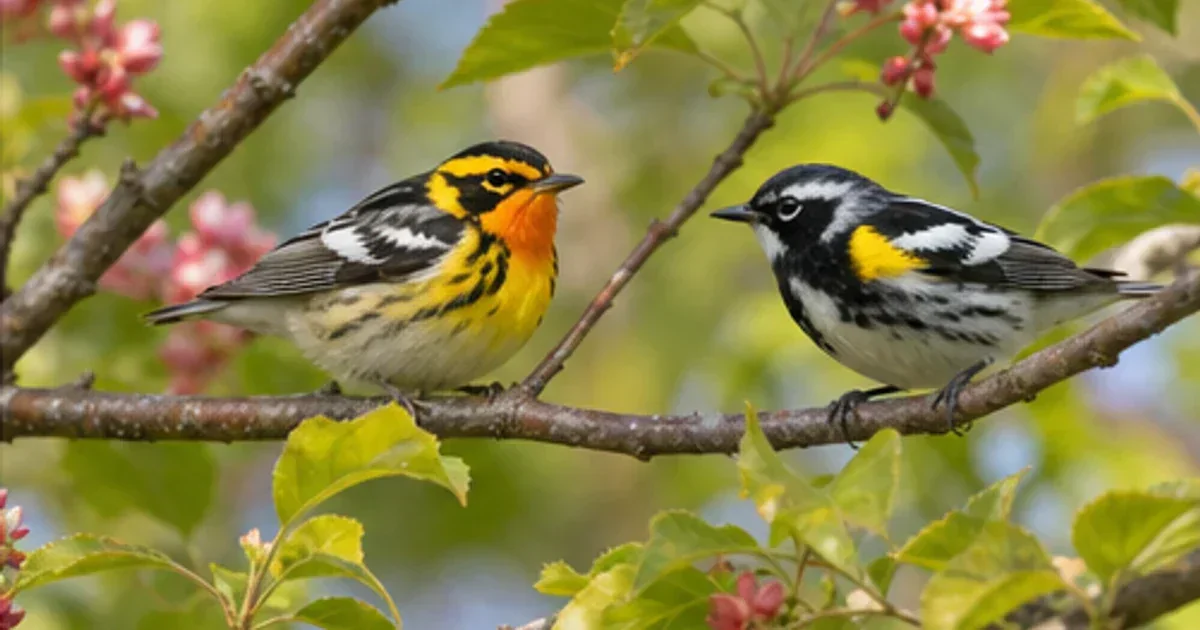
Warblers are the bright, restless birds many spring birders hope for. They often move quickly through the canopy, picking insects from leaves and buds. In a backyard, they may appear in native trees, flowering shrubs, or even low vegetation during poor weather.
Common possibilities vary by region, but many birders watch for Yellow-rumped Warbler, Yellow Warbler, Palm Warbler, Common Yellowthroat, Black-and-white Warbler, and, in the right habitat, species such as Nashville, Magnolia, or Cape May Warbler.
A few practical tips:
- Start with behavior. Is it creeping along bark, flitting at leaf tips, or skulking low?
- Note bold marks first: wing bars, eye rings, throat color, tail patches.
- Expect partial views. Warblers rarely pose.
- Use sound carefully. Similar songs can overlap, and individuals vary.
Photos can help when views are brief. If you manage a clear image, Bird Lens’s photo ID tool can be useful as a second opinion, especially when you pair it with your own notes on size, habitat, and behavior.
Chipping Sparrow and White-throated Sparrow
Sparrows can be subtle, but spring brings useful clues. Chipping Sparrows often show a crisp rusty cap, pale eyebrow, and clean grayish underparts. They may feed on the ground below feeders or sing a dry, even trill from a tree.
White-throated Sparrows migrate through many yards and may linger under shrubs, scratching leaf litter with quick backward kicks. Look for the white throat, yellow lores near the bill, and striped head. Their clear whistled song is one of spring’s memorable sounds, often rendered as a series of pure notes.
Be cautious with sparrows. Lighting, worn plumage, and quick glimpses can make them look more alike than field guides suggest. Shape, posture, head pattern, and feeding behavior all matter.
Baltimore Oriole and Orchard Oriole
In suitable regions, orioles are among the most anticipated spring arrivals. Baltimore Orioles bring orange-and-black brilliance to treetops, while Orchard Orioles are smaller; adult males are deep chestnut and black, and females are greenish-yellow.
Orioles often feed in flowering trees, taking nectar and insects. They may come to orange halves, grape jelly, or nectar feeders, but keep offerings clean and modest. Spoiled jelly and dirty feeders can cause more harm than help. Natural food sources, especially native flowering and fruiting plants, are the better long-term draw.
Rose-breasted Grosbeak and Blue Grosbeak
Rose-breasted Grosbeaks can appear at sunflower feeders during migration. Males are striking black and white with a red breast patch; females are streaky brown with a bold face pattern and a heavy bill. Their song resembles a richer, smoother robin-like warble.
In more southern or open habitats, Blue Grosbeaks may be possible. Males are deep blue with rusty wing bars, while females are warm brown. They favor brushy edges, hedgerows, and weedy openings more than manicured lawns.
Late Spring and Passing Through
Late spring often brings long-distance migrants that wintered in the tropics and are moving toward northern breeding grounds. Some will not stay. That is part of the pleasure and frustration of backyard migration.
Tanagers
Scarlet Tanagers, Summer Tanagers, and Western Tanagers occupy different ranges, but any tanager in spring can stop a birder mid-step. They are usually found higher in trees than people expect. Scarlet Tanagers favor mature deciduous woods; Summer Tanagers are more common in open woods and edges in the South; Western Tanagers use western forests and migration corridors.
A bright male is easier to identify, but females and immature birds require more care. Note wing color, bill shape, overall tone, and geography. If a bird is partly hidden in fresh leaves, it may be wise to leave it as “tanager species” until more evidence appears.
Vireos
Vireos are slower and more deliberate than warblers, often pausing to inspect leaves before picking prey. Red-eyed Vireos sing persistently from leafy canopy, but they can be hard to see. White-eyed Vireos, where present, may stay in dense thickets and deliver sharp, explosive phrases.
Warbling Vireos and Philadelphia Vireos can be especially challenging. Voice, facial pattern, and range help, but not every backyard view will be enough. Uncertainty is not failure; it is honest birding.
Hummingbirds
Ruby-throated Hummingbirds in the East and several western hummingbird species return as flowers bloom and insect prey increases. Males may appear first in some areas. A clean feeder can help, but it must be maintained well: use plain white sugar water, avoid red dye, and clean the feeder frequently, especially in warm weather.
Planting native tubular flowers is often more valuable than relying only on feeders. Hummingbirds also eat tiny insects and spiders, so a yard with pesticide-free vegetation offers more than nectar alone.
Listening: The Backyard Migration Superpower
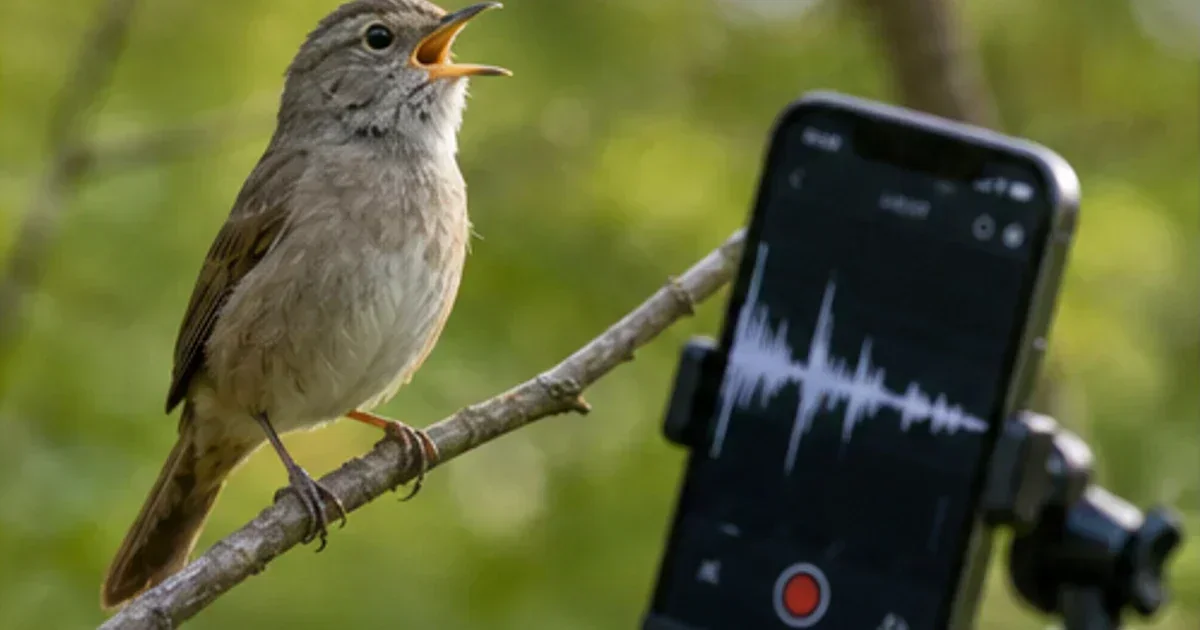
Many spring migrants are heard before they are seen. Dawn is best, but birds may sing throughout the morning, especially during peak movement. Learn a few common songs first: robin, cardinal, chickadee, Song Sparrow, House Finch, Red-winged Blackbird. Once those are familiar, unfamiliar sounds stand out more clearly.
Sound identification can help, but recordings should be treated as evidence, not verdicts. Background noise, overlapping singers, and regional variation can confuse both people and software. If you capture a clean recording, the sound ID tool can support your identification process. Compare the suggestion with range, date, habitat, and what you actually observed.
Avoid playing bird songs to lure migrants closer. Playback can disturb birds, especially during breeding season or when they are already stressed from travel. Watching quietly usually teaches more.
A Short Spring Backyard Birding Checklist
Use this checklist during migration mornings:
- Step outside early, even for five minutes.
- Listen before moving around.
- Scan treetops, shrub edges, and the ground under cover.
- Watch for feeding behavior, not just color.
- Note size by comparison: sparrow-sized, robin-sized, crow-sized.
- Record date, weather, and habitat.
- Photograph or record only when it does not disturb the bird.
- Leave uncertain IDs open until you have enough evidence.
- Keep feeders, birdbaths, and nectar stations clean.
- Give migrants space to feed and rest.
For broader seasonal and identification help, browse Bird Lens’s field-friendly birding tips.
Ethical Observation During Migration
Spring migration can make rare or beautiful birds feel urgent, but the bird’s needs come first. Migrants may have flown through the night and need food, water, and cover. Do not chase birds through shrubs, trim branches for a clearer photo, or crowd a roosting bird. Keep pets indoors or supervised, and reduce window collision risk with exterior decals, screens, or other proven treatments.
If you share sightings, consider whether the location can handle attention. A common warbler in a public park is one thing; a sensitive species in a small private yard is another. Good birding includes restraint.
Also be careful with certainty. A blurry photo, a half-heard song, or a bird seen for two seconds may not support a firm identification. The most experienced birders often use qualifiers: “probable,” “heard only,” “sp.,” or “not enough to call.” Those labels protect the record and keep learning honest.
Conclusion
Spring migration rewards close attention. Your backyard may host robins, blackbirds, sparrows, orioles, warblers, vireos, grosbeaks, tanagers, hummingbirds, or birds you did not expect at all. Some will stay to nest nearby. Others will be gone by lunch.
Watch the weather, learn the common voices, keep your habitat welcoming, and let uncertainty be part of the practice. A backyard is not just a place to list birds. In spring, it can be a small stopover in a much larger journey.
Try the tools
Put this advice into action
Use Bird Lens to identify a bird by photo or sound, then compare field marks and habitat.
Photo Bird ID
Upload a bird photo for AI-assisted species identification with encyclopedia links.
Sound Bird ID
Record bird songs and calls to get likely species matches from your audio capture.
Field Notes Bird ID
Identify likely birds from field marks, habitat, behavior, place, and date.
Similar Species Comparison
Compare two easily confused bird species using diagnostic field marks.
Beginner bird identifier guide: from first sighting to confident identification
Beginner bird identifier guide: from first sighting to confident identification: practical, field-tested guidance for identifying and observing birds with confidence.