
Bird Feeder Species Guide: Who Shows Up and When
Published on 12/8/2025 • 8 min read
A bird feeder is not a fixed guest list. It changes by season, region, habitat, weather, food choice, and even the shape of nearby shrubs. The same tube feeder that draws goldfinches in July may feel quiet in October, then suddenly fill with chickadees and juncos after the first hard frost.
This guide focuses on common feeder patterns in North America, with notes that also apply broadly elsewhere: birds come when the food matches their needs and when the surrounding habitat feels safe. Identification is part plumage, part behavior, and part timing. If you are new to sorting out similar backyard birds, keep a field guide or a photo tool handy and compare more than one feature before naming a species.
What Determines Who Visits a Feeder?
The birds you see are shaped by a few practical factors.
Food Type
Different foods attract different feeding styles.
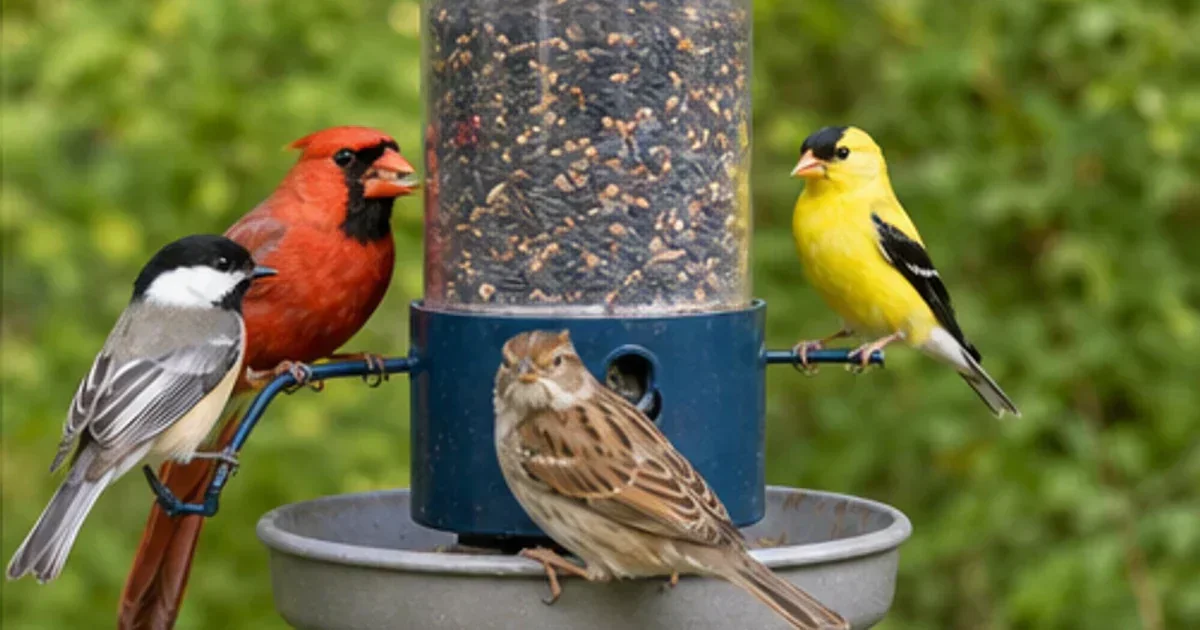
- Black oil sunflower seed: chickadees, titmice, nuthatches, cardinals, grosbeaks, finches, woodpeckers
- Nyjer/thistle: goldfinches, siskins, redpolls where present
- Suet: woodpeckers, nuthatches, wrens, chickadees, some warblers in cold weather
- Millet: sparrows, juncos, doves, towhees, blackbirds
- Fruit: orioles, tanagers, catbirds, waxwings, some woodpeckers
- Nectar: hummingbirds and orioles, depending on feeder style
Cheap mixed seed often contains fillers that birds ignore, leaving waste on the ground. That waste can attract rodents or concentrate disease. A simpler, cleaner menu usually works better.
Feeder Placement
Birds like feeders near cover, but not buried inside it. A shrub or tree within a short flight gives small birds a place to retreat. Too much dense cover right beside the feeder can help outdoor cats or hawks launch surprise attacks. There is no perfect distance for every yard, but a feeder with visibility and nearby escape routes usually sees more comfortable bird activity.
Window collisions are another concern. Feeders very close to windows or well away from windows can be safer than feeders at intermediate distances where birds build up speed. Use window decals, screens, or external patterns if strikes occur.
Season and Migration
Some feeder birds are year-round residents. Others appear only in winter, during migration, or in breeding season. A sudden new bird at the feeder may be a migrant passing through, not a permanent addition.
For identification help, especially when seasonal plumages look confusing, see the beginner bird identifier guide.
Winter: Seed Eaters, Suet Birds, and Cold-Weather Regulars
Winter feeders often feel busiest because natural food is harder to find and birds need steady energy. Activity commonly peaks in the morning after a cold night and again before dusk.
Common Winter Visitors
Chickadees and titmice often take one seed at a time, fly to a branch, hammer it open, and return. Their quick visits can make a feeder look busier than it is.
Nuthatches move headfirst down trunks and may cling sideways on feeders. White-breasted Nuthatches are common in many wooded neighborhoods; Red-breasted Nuthatches may be more seasonal or irregular, depending on cone crops farther north.
Woodpeckers favor suet, peanuts, and sometimes sunflower. Downy Woodpeckers are small and neat-looking; Hairy Woodpeckers are larger with a heavier bill. Red-bellied Woodpeckers often announce themselves loudly and may dominate suet feeders.
Northern Cardinals tend to feed at edges, platforms, or trays. They are especially noticeable at dawn and dusk, when their red plumage seems to glow even in low light.
Dark-eyed Juncos usually feed on the ground below feeders, taking millet and spilled seed. Their arrival is a winter marker in many areas.
House Finches, American Goldfinches, and Pine Siskins may gather in small flocks. Goldfinches look much duller in winter than their bright breeding plumage suggests, which causes plenty of misidentifications.
Irruptive Winter Birds
Some winters bring unusual northern visitors. Pine Siskins, Common Redpolls, Evening Grosbeaks, and Red-breasted Nuthatches can appear in larger numbers when food crops fail elsewhere. These patterns vary widely by region and year, so treat any “expected” winter species with caution. Local birding reports are often more useful than a broad range map.
Spring: Migration, Pairing, and Changing Appetites
Spring is restless. Resident birds begin singing and pairing. Migrants move through. Some birds that ignored feeders all winter may stop briefly, then vanish again.
What Changes in Spring?
As insects become available, many birds shift away from seed. That does not mean feeders become useless, but traffic may change. Suet can still attract woodpeckers and nuthatches. Fruit and nectar feeders may become more interesting as orioles, hummingbirds, and catbirds arrive.
American Goldfinches may increase activity at nyjer feeders, though their breeding season starts later than many backyard birds. Males gradually brighten into yellow plumage, while females remain more subdued.
Watch for Migrants, But Be Careful With IDs
Spring warblers, vireos, tanagers, and thrushes may pass through yards with trees and native plantings. Most are not classic feeder birds, but they may investigate water, fruit, suet, or insects around the yard.
Lighting, molt, and brief views can make spring identification tricky. A quick photo can help you check field marks later. Bird Lens offers a photo ID tool that can support identification, but treat any result as a starting point. Confirm with size, shape, behavior, location, and date.
Summer: Breeding Birds, Young Birds, and Quieter Feeders
Summer feeders can be surprisingly quiet in some yards. Natural food is abundant, and many adult birds are busy catching insects for young. In other places, feeders stay lively with finches, cardinals, doves, woodpeckers, and hummingbirds.
Young Birds at Feeders
Late spring and summer bring fledglings: streaky, awkward, short-tailed, or begging birds that look “wrong” compared with adults. Young cardinals are brownish with dark bills before their bills turn orange-red. Juvenile House Finches are heavily streaked. Young woodpeckers may show red markings that differ from adult patterns.
If you find a fledgling on the ground, do not assume it needs rescue. Many young birds leave the nest before they fly well. Keep pets away, observe from a distance, and contact a licensed wildlife rehabilitator only if the bird is injured, cold, or clearly in danger.
Hummingbirds and Nectar
Hummingbirds arrive according to migration and flowering patterns. A basic nectar mix is one part plain white sugar to four parts water. Avoid honey, dyes, and artificial sweeteners. Clean nectar feeders frequently, especially in heat, when fermentation and mold develop quickly.
Males may guard feeders aggressively. Adding a second feeder out of sight can reduce conflict, though it will not eliminate territorial behavior.
Fall: Movement, Molt, and Feeder Turnover
Fall is one of the most interesting feeder seasons because birds are moving, molting, and changing diet. Some summer visitors depart. Winter birds begin to arrive. Many species are less vocal than in spring, so visual clues matter more.
What to Expect in Fall
Goldfinches lose their bright yellow breeding plumage and become olive-brown. They may still visit nyjer and sunflower feeders in flocks.
White-throated Sparrows, White-crowned Sparrows, and other native sparrows may appear on the ground below feeders during migration. Look for head patterns, breast streaking, tail length, and feeding behavior rather than relying on one mark.
Blue Jays often become more visible in fall as they cache acorns and other food. They may take peanuts or sunflower and carry them away.
Blackbirds and grackles may pass through in flocks. Their arrival can overwhelm small feeders. If needed, switch feeder type, use weight-sensitive designs, or pause feeding briefly rather than letting seed pile up.
Matching Feeder Type to Bird Type
Tube Feeders
Tube feeders suit finches, chickadees, nuthatches, and smaller birds. Port size and perch style matter. Very small ports work for nyjer. Larger ports handle sunflower.
Hopper Feeders
Hopper feeders are general-purpose and attract cardinals, grosbeaks, finches, chickadees, titmice, and jays. They hold more seed, but that also means seed can sit too long and spoil in damp weather.
Platform and Tray Feeders
Platforms are easy for cardinals, doves, sparrows, jays, and grosbeaks. They also expose food to droppings and rain, so cleanliness matters. Use only what birds will finish quickly.
Suet Cages
Suet cages attract woodpeckers, nuthatches, chickadees, and wrens. In warm weather, use no-melt products or remove suet if it becomes greasy or rancid.
Nectar Feeders
Nectar feeders are for hummingbirds and, with larger ports or dedicated designs, orioles. Cleanliness is the difference between a helpful feeder and a harmful one.
A Short Feeder Observation Checklist
Use this quick checklist when a bird shows up and you are not sure what it is:
- Note the date and season.
- Estimate size compared with a sparrow, robin, or crow.
- Watch feeding behavior: clinging, hopping, ground-feeding, hovering, caching.
- Check bill shape: seed-cracking cone, thin insect bill, chisel-like woodpecker bill.
- Look for one or two strong field marks, not every feather.
- Listen for calls if the bird is hidden or moving fast.
- Record a photo or short note before checking an ID source.
- Clean feeders regularly and remove spoiled food.
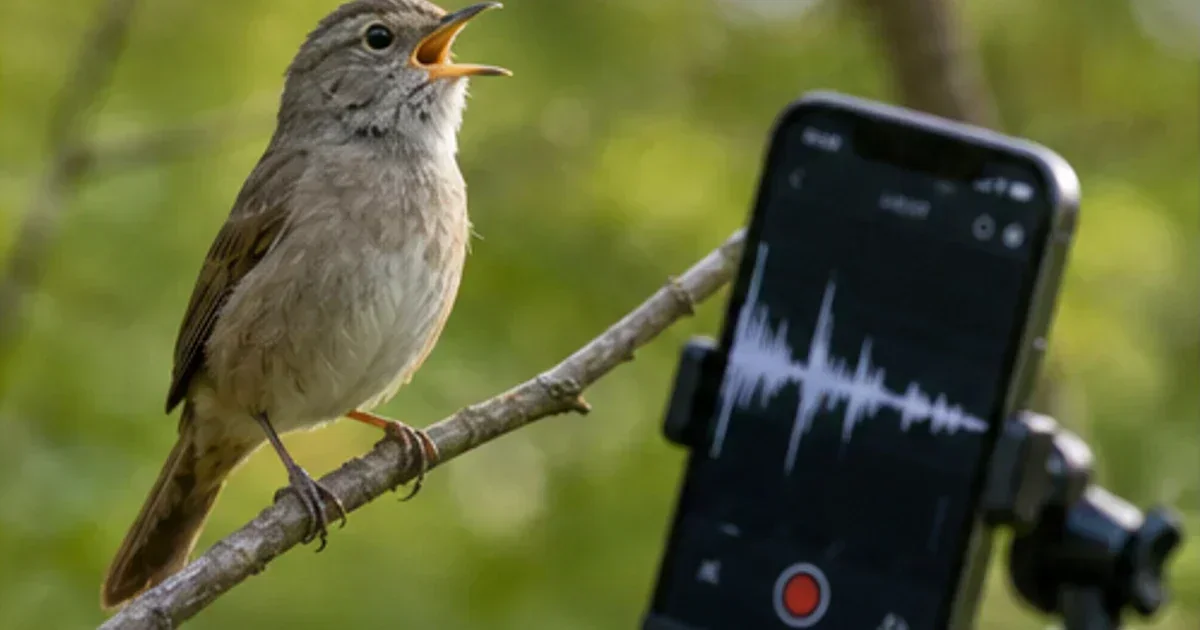
For calls and songs, a recording can be useful when visual clues are poor. Try the sound ID tool, then compare the result with known local species and the habitat you are in.
Ethical Feeding and Uncertainty
Feeding birds is popular because it brings wild behavior close, but it comes with responsibility. Clean feeders with care. Discard moldy seed. Spread feeding areas out if birds crowd heavily. If you see sick birds—puffed up, crusty-eyed, lethargic, or unwilling to fly—take feeders down temporarily and clean them thoroughly.
Avoid feeding bread, salty scraps, or processed foods. Keep cats indoors or supervised. Do not use playback to lure birds to feeders, especially during nesting season. Observation should not cost birds energy, safety, or breeding success.
Identification also deserves humility. A bird seen for two seconds in rain may remain “sparrow species” or “female finch.” That is not failure. Good birders leave room for uncertainty, especially with juveniles, hybrids, regional variation, and worn plumage.
Conclusion
A feeder is a small window into seasonal movement. Winter brings energy-seeking seed eaters and suet birds. Spring adds migrants and changing plumage. Summer may feature fledglings and nectar visitors. Fall reshuffles the deck again.
The best species guide is the one built slowly: dates, weather, foods offered, and careful notes. Keep the feeder clean, watch behavior as much as color, and let uncertain birds stay uncertain until the evidence is strong enough.
Try the tools
Put this advice into action
Use Bird Lens to identify a bird by photo or sound, then compare field marks and habitat.
Photo Bird ID
Upload a bird photo for AI-assisted species identification with encyclopedia links.
Sound Bird ID
Record bird songs and calls to get likely species matches from your audio capture.
Field Notes Bird ID
Identify likely birds from field marks, habitat, behavior, place, and date.
Similar Species Comparison
Compare two easily confused bird species using diagnostic field marks.
Beginner bird identifier guide: from first sighting to confident identification
Beginner bird identifier guide: from first sighting to confident identification: practical, field-tested guidance for identifying and observing birds with confidence.