

How to Identify Birds by Shape, Size, and Silhouette
Published on 8/28/2025 • 10 min read
A bird’s colors can disappear in bad light. Field marks can hide behind leaves. A distant bird may be nothing more than a dark outline on a fence wire. That is when shape, size, and silhouette become the most reliable clues.
Experienced birders often identify birds before seeing a single color patch. They notice the long neck of a heron, the pot-bellied shape of a dove, the stiff-winged glide of a vulture, or the heavy bill of a finch. These structural clues do not solve every identification, but they narrow the field quickly and keep you from chasing unlikely options.
This guide explains how to read a bird’s overall form, compare size honestly, and use silhouette without overreaching.
Start With the Whole Bird
Before looking for fine details, pause and take in the entire bird. Ask broad questions first:
- Is it small, medium, or large?
- Is the body slim, round, or bulky?
- Is the tail short, long, forked, rounded, or stiff?
- Are the wings pointed, broad, rounded, or paddle-like?
- Is the bill thin, thick, hooked, straight, curved, or chisel-shaped?
- Does the bird stand upright, crouch low, cling vertically, or walk horizontally?
This first impression is sometimes called “general impression of size and shape,” or GISS. It includes posture and movement as well as structure. A robin-sized bird with a long tail and upright posture suggests different possibilities from a robin-sized bird with a round body and tiny bill.
Do not worry about naming the bird immediately. The first goal is to sort it into a likely group.
Use Size Carefully
Size is useful, but it is also easy to misjudge. Distance, lighting, posture, and excitement can all distort perception. A small bird close by may look larger than a big bird farther away. A puffed-up bird in cold weather can seem heavier than it really is.
Compare With Familiar Birds
Instead of guessing inches or centimeters in the field, compare the bird with species you know well. Common reference birds are often more helpful than exact measurements:
- Smaller than a House Sparrow
- Sparrow-sized
- Robin-sized
- Between a robin and a crow
- Crow-sized
- Goose-sized
- Larger than a goose
These comparisons are imperfect, especially across regions, but they create a practical scale. If you use a local field guide or an identification app, size ranges become easier to interpret once you have a few familiar anchors.
For beginners, building those anchors is one of the fastest ways to improve. A structured resource such as the beginner bird identifier guide can help you connect size, shape, behavior, and habitat into one repeatable process.
Watch Out for Posture
Birds change apparent size by stretching, crouching, fluffing feathers, or compressing their bodies. A hunting heron with its neck folded can look surprisingly compact. A startled shorebird may stand tall and slender. A perched raptor may seem bulky until it flies and reveals long wings and a lighter frame.
If possible, watch for several seconds before deciding. Shape in motion often tells more truth than shape in a single pose.
Read the Bill
The bill is one of the strongest structural clues because it reflects how a bird feeds. Even at a distance, bill shape can point you toward the right family.
Common Bill Shapes
Short, conical bill: Often found on seed-eating birds such as sparrows, finches, and grosbeaks. A tiny cone suggests a different bird than a massive triangular bill.
Thin, pointed bill: Common among insect-eating birds, including many warblers and vireos. These bills can look needle-like in profile.
Long, straight bill: Seen in some shorebirds, kingfishers, and herons, though the rest of the body shape will differ greatly.
Curved bill: A down-curved bill may suggest certain shorebirds, thrashers, or ibises. An upturned bill points to a smaller set of possibilities.
Hooked bill: Typical of raptors, but also found in shrikes and some parrots. Use body size and posture to avoid jumping to conclusions.
Chisel-like bill: Woodpeckers often show strong, straight bills suited for hammering into bark.
Bill size relative to the head matters. A bird with a small head and enormous bill gives a different impression from a bird with a fine bill and rounded head.
Notice Body Proportions
Bird identification often improves when you stop asking “What color is it?” and start asking “How is it built?”
Head and Neck
A large-headed bird may suggest a kingfisher, flycatcher, or owl, depending on posture and habitat. A tiny-headed silhouette on a large body can suggest a dove or pigeon. Long necks are important in herons, egrets, swans, geese, cormorants, and cranes, though each holds the neck differently.
Herons often fly with the neck folded. Cranes and many storks fly with the neck extended. That one structural detail can separate large birds that might otherwise look similar in poor light.
Body Shape
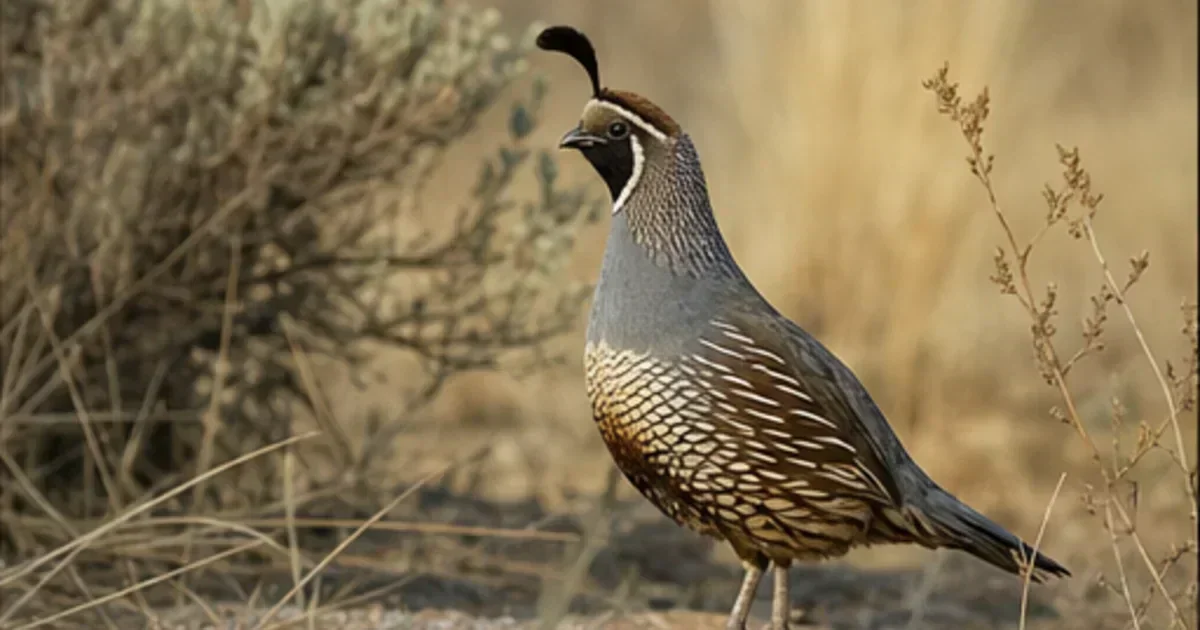
A plump, compact body can point toward doves, quail, or some sparrows. A sleek body suggests swallows, swifts, falcons, or terns, depending on wings and flight style. A horizontal, ground-walking bird feels different from an upright, alert bird on a post.
Pay attention to where the weight seems to sit. Is the bird chest-heavy, belly-heavy, or evenly balanced? Does it look front-loaded like a duck on water, or upright like a thrush on a lawn?
Tail Length and Shape
Tail shape is often visible when color is not.
- Long, narrow tail: many grackles, cuckoos, wagtails, and some flycatchers
- Forked tail: swallows, kites, some terns, and scissor-tailed species
- Short tail: wrens, some ducks, grebes, and many compact birds
- Stiff tail used as a prop: woodpeckers and some creepers
- Rounded or graduated tail: many songbirds, especially when perched
Tail behavior also helps. Wrens may cock the tail upward. Phoebes often dip or wag the tail. A flicking tail in low vegetation can be a useful clue, though behavior varies with context.
Study Wing Shape
Wing shape is especially important for birds in flight. You may only get a few seconds, so look for the broad pattern.
Broad Wings
Broad wings with “fingered” tips are typical of many soaring birds, including vultures, eagles, and some hawks. They are built for lift and circling. A soaring bird holding its wings in a shallow V may suggest a vulture, while a flatter profile may suggest a different raptor.
Pointed Wings
Long, pointed wings belong to fast-flying birds such as falcons, swallows, swifts, terns, and many shorebirds. The full silhouette matters: a falcon has a different body and head shape from a tern, even if both have pointed wings.
Rounded Wings
Rounded wings are common in birds that maneuver through vegetation, such as many woodland songbirds and accipiters. A small bird making short flights between shrubs may show rounded wings and a relatively long tail.
Long, Narrow Wings
Gulls, albatrosses, shearwaters, and some terns have long wings suited for efficient flight over open water. Inland, long narrow wings can still appear on gulls over reservoirs, rivers, parking lots, and fields.
Identify Birds by Silhouette
Silhouette identification works best when you combine outline, posture, and movement. A backlit bird on a wire may show no color, but it can still reveal a lot.
Perched Silhouettes
Look at the profile:
- Upright with a hooked bill: possible raptor or shrike
- Small, round, with a short bill: sparrow-like or wren-like bird
- Sleek, long-winged, on exposed perch: possible swallow or flycatcher
- Vertical on a trunk: woodpecker, nuthatch, or creeper
- Large, hunched near water: heron or cormorant
Also note perch choice. A flycatcher often returns to an exposed perch after short flights. A woodpecker clings to bark. A shorebird stands or runs along open mud or sand. Shape and place reinforce each other.
Flight Silhouettes
In flight, focus on wingbeats and outline:
- Vultures soar with broad wings and often teeter slightly.
- Ducks fly with fast wingbeats and compact bodies.
- Woodpeckers often show bounding, undulating flight.
- Crows fly steadily with broad wings and a fan-shaped tail.
- Swallows twist and sweep through the air on long, pointed wings.
- Herons fly with slow wingbeats and the neck folded back.
A single glance may not be enough. If the bird is moving away, watch until it disappears. Flight rhythm can remain visible long after color is gone.
Use Habitat and Behavior as Supporting Evidence
Shape can narrow the list, but habitat and behavior help test the idea. A long-legged bird in shallow water is more likely to be a heron, egret, ibis, or shorebird than a woodland species. A small bird clinging headfirst to a tree trunk is more likely a nuthatch than a sparrow. A bird hovering over open grass may suggest a kestrel, kingfisher, or tern depending on location and body shape.
Still, avoid making habitat a rule without exceptions. Birds migrate, wander, and turn up in odd places. Storms can move seabirds inland. Young birds disperse. A species may appear outside its usual setting. Habitat should support an identification, not force one.
For more field skills that pair well with shape-based identification, see Bird Lens’s practical birding tips.
When a Photo Helps
A quick photo can preserve shape details you missed in real time: tail length, bill proportions, wing position, or the way a bird holds its body. Even a poor photo may show enough outline to separate families.
If you are working from an image, crop carefully but do not overinterpret blur. A distorted wing or hidden bill can mislead. Use the photo as evidence, not proof. Tools such as photo bird identification can be useful when paired with your own notes about size, behavior, and habitat.
Accept Uncertainty
Not every bird can be identified. That is not failure; it is good field judgment. Some silhouettes are too distant. Some birds are partly hidden. Some species overlap heavily in size and shape, especially immature birds, females, and closely related groups.
Use honest labels when needed:
- “raptor species”
- “small shorebird”
- “sparrow-like bird”
- “large dark waterbird”
- “probable heron”
- “possible accipiter”
These notes are more valuable than a forced name. If you record sightings, mark uncertain identifications clearly. Overconfidence can create bad data, especially for rare or out-of-range birds.
Observe Birds Ethically
Shape-based identification can reduce disturbance because you do not always need to get closer. Use binoculars, a scope, or a camera zoom instead of approaching a bird repeatedly.
Keep these principles in mind:
- Do not flush birds for a better look.
- Stay back from nests, roosts, and feeding groups.
- Avoid crowding birds during migration or harsh weather.
- Follow local rules on trails, refuges, and private land.
- Use playback sparingly, if at all, and avoid it around nesting birds or sensitive species.
A bird’s comfort matters more than a perfect view. If the bird changes behavior because of your presence—freezing, alarm calling, moving away, or leaving a nest area—give it space.
Short Shape-and-Silhouette Checklist
When you see an unfamiliar bird, run through this quick sequence:
- Size: Compare it with a familiar bird.
- Posture: Upright, horizontal, crouched, or vertical?
- Bill: Thin, thick, long, hooked, curved, or chisel-like?
- Neck: Short, long, folded, or extended?
- Body: Slim, plump, bulky, or streamlined?
- Tail: Short, long, forked, rounded, stiff, or wagging?
- Wings: Broad, pointed, rounded, long, or narrow?
- Movement: Soaring, flapping, bounding, hovering, walking, hopping, or clinging?
- Habitat: Water, woods, grassland, shore, backyard, open sky?
- Confidence: Certain, probable, possible, or unidentified?
Conclusion
Shape, size, and silhouette are the foundation of bird identification, especially when color and fine field marks are hard to see. Start broad. Compare size with familiar birds. Read the bill, wings, tail, posture, and movement. Let habitat and behavior support the identification, but leave room for uncertainty.
The more birds you watch, the more these outlines become familiar. Eventually, many birds begin to sort themselves before the details appear: a heron by its folded-neck flight, a woodpecker by its bounding path, a swallow by its sharp-winged sweep, a finch by its compact body and sturdy bill. That quiet recognition is one of the real pleasures of learning birds well.
Try the tools
Put this advice into action
Use Bird Lens to identify a bird by photo or sound, then compare field marks and habitat.
Photo Bird ID
Upload a bird photo for AI-assisted species identification with encyclopedia links.
Sound Bird ID
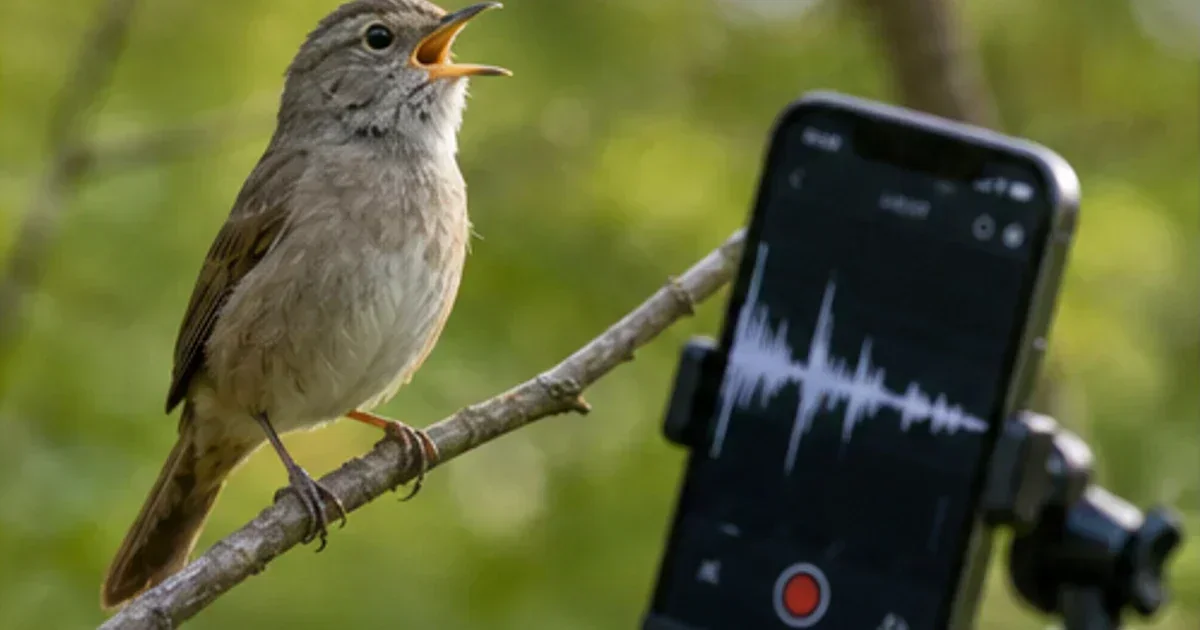
Record bird songs and calls to get likely species matches from your audio capture.
Field Notes Bird ID
Identify likely birds from field marks, habitat, behavior, place, and date.
Similar Species Comparison
Compare two easily confused bird species using diagnostic field marks.
Beginner bird identifier guide: from first sighting to confident identification
Beginner bird identifier guide: from first sighting to confident identification: practical, field-tested guidance for identifying and observing birds with confidence.